

A Guide for Your Journey
Welcome! This page is your home base between our monthly sessions. For each session you'll find the following:
- A brief summary of the session
- Your commitments/assignments
- Sample questions for your huddle to reflect on
- Additional content & resources to deepen your learning
Between Every Session
- Huddle bi-weekly. Open each huddle by sharing your big ideas from the last session. If a teammate missed it, bring them up to speed. Small groups mean more chances to contribute, encourage, and hold each other accountable to living out your leadership.
- Journal. Reflection using a journal is one of the best ways to increase your awareness, wisdom, and influence. The most effective leaders carry a journal with them and use it often.
- Plus (+) / Delta (Δ) Framework
- Send your huddle report to your facilitators about one week before the next session.
01Leadership and Team Development Kick-Off
Session Summary
- Huddles work. Learn to trust each other: trust leads to healthy conflict, and healthy conflict leads to healthier discussions and greater personal and professional growth.
- Journaling is a leadership practice. It builds EQ, communication skills, and self-confidence, and the best leaders keep their journals close.
- Leadership shapes culture and the bottom line. People rarely leave a job because of the work itself. 57% leave because of poor leadership.
- Who, not What. 77% of your effectiveness as a leader comes from who you are, not what you do. The most effective leaders are Inwardly Sound (self-aware, holistically healthy, principled, purposeful, secure & settled) and Others Focused (attentive, curious, empathic, humble, agapone), with emotional maturity running through both.
- It's a high bar, and the bar keeps rising. The growth is in the daily intentionality of living it out with coworkers, customers, family, and friends. Choose a growth mindset and be humble enough to learn from every person and experience.
Commitments Before Session 2
- Read, highlight, and take notes on pages 1-75 of The Only Leaders Worth Following by Tim Spiker (Self-Aware and Secure & Settled Leadership).
- Choose your huddle team name and send it to your facilitators.
- Take the Myers-Briggs Type Indicator (MBTI) assessment before Session 2.
- In your first huddle report, include a refined final draft of your hopes for leadership training: one personal and one professional.
Questions to Consider for Your Huddle Meetings
- What ideas most resonated with you from our last session?
- What does it mean to you that leadership is a journey and not a destination?
- Given the many costs associated with becoming a leader, why sign up for it?
Additional Content & Resources
02Inwardly Sound: Self-Awareness and Feedback
Session Summary
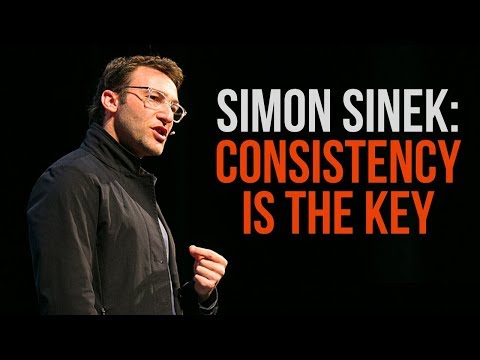
- Trust the process. We listened to Simon Sinek on the leadership journey. Leadership is a commitment to doing, over and over, the little, boring, innocuous things we believe are fundamentally true and effective. It's not about intensity. It's about consistency. Just. Keep. Going. It's worth it!
- Who, not What. We continued with the Leadership Tree model. To become a leader truly worthy of followership, it is primarily about who we are, not what we do.
- Changing the lens. We looked at leaders in the news. Do we follow people simply for their public speaking or talent in one area, or do we look deeper at their "who": inwardly sound and others focused?
- Self-awareness comes first. It is the first, and arguably most important, component of being an inwardly sound leader. That led to a rich discussion of why giving and receiving feedback is so hard. Feedback is a gift, and naming the barriers to giving and receiving it is the first step to overcoming them.
- Constructive feedback takes the blindfolds off. In our feedback exercise, we practiced feedback that is specific, tailored, and encouraging. Delivered well, it leads to more engaged, fulfilled, and productive team members.
- Principles for delivering feedback effectively:
- Ask for permission. It helps the person feel in control instead of getting defensive.
- Timing. Don't give feedback in passing. Ask for a quiet 5-10 minute meeting where you can both focus.
- Positive attitude. Feedback is easier to receive from someone who sees the glass half full and focuses on solutions rather than dwelling on problems.
- "I" vs. "You" statements. "You" sounds accusatory and one-sided. Start with "I."
- Behavior. Address the behavior, not the person's identity. Look up the Fundamental Attribution Error.
- Offer suggestions. It lets them feel in control of the solution instead of being given commands.
- Be direct. Don't beat around the bush.
- Care. Do we see this person as a real human with hopes, goals, needs, and struggles, or as a tool to be used and manipulated into doing our bidding?
- Trust. Trust plays into all of this. Build trust so feedback is seen as a gift from someone who has your best interest at heart, not an attack from someone you don't know.
- The most courageous question: "What's it like to be on the other side of me?" If we're serious about becoming more self-aware, we'll be intentional about asking trusted peers in our various lanes of influence.
- Myers-Briggs takeaways.
- These are preferences, and no one type is better than another.
- Be willing to flex toward the "other side." Extroverts, get curious about the introverts who bring great insight when prompted. Introverts, step out of your comfort zone and weigh in more.
- Seek to understand before seeking to be understood. We naturally gravitate to people like us, which narrows our thinking. Great teams are made of people with complementary, not identical, skills and perspectives.
Commitments Before Session 3
- Give feedback daily to someone in your work lane. Aim for a 2:1 plus/delta ratio.
- Text or email 2-3 trusted peers and ask, "What's it like to be on the other side of me?" Ask them to be completely blunt and honest, because you're seeking to become more self-aware about who you are and where your strengths, weaknesses, and blind spots lie. Be thankful for their response!
- Read, journal, and dialogue in your huddle on Leadership and Self-Deception.
- Share your MBTI results with three people and ask for feedback on their accuracy.
Questions to Consider for Your Huddle Meetings
- What ideas most resonated with you from our last session?
- Which of the nine principles for delivering feedback would you most benefit from if intentionally practiced?
- Who is a trusted peer you could ask, "What's it like to be on the other side of me?" What's holding you back?
Additional Content & Resources

Trait Definition
- Self-Awareness
- Having an accurate understanding of who I am: my strengths, weaknesses, personality, quirks, hot buttons, dents, and worldview, and how who I am affects those around me.
03Inwardly Sound: Self-Awareness (Part 2) and Secure & Settled
Session Summary
- Stay the course. Growth and success rarely come from flashy new techniques, skills, or tools. They come from repeatedly practicing the simple, powerful principles we already know to be true. Bruce Lee's point: fear the person who has practiced one kick 10,000 times. Imagine the impact of practicing self-awareness, attentiveness, and humility 10,000 times, in your life and your relationships.
- Readiness for change. We looked at the equation D x V x F > R: Dissatisfaction with your current state or trajectory, times a compelling Vision of an alternate future, times clear First steps, must be greater than Resistance to change. The question for each of us: are we truly satisfied and fulfilled with how we currently lead and influence others? There's a reason we start with self-awareness. If we're unwilling to look within, we'll never be ready to change. Journaling is a great way to gain clarity on each variable.
- The research on self-awareness. 95% of people believe they are self-aware, but only 10-15% actually are. That means about 80% of us lack clarity on who we are (strengths, weaknesses, preferences, hot buttons, quirks, personality, worldview) and how we affect those around us. Gathering feedback is one of the main ways to grow in self-awareness: "What's it like to be on the other side of me?"
- Leadership and Self-Deception. Most of what we call "people problems" are rooted in self-betrayal, acting contrary to what I feel I should do for another person. Over the last month, have you mostly seen others as people with hopes, goals, struggles, and weaknesses like your own, or as objects in the way of your happiness and success? Do you celebrate others' successes or delight in their failures? What would change in your relationships, productivity, and joy if you chose to see people as people?
Commitments Before Session 4
- Read, highlight, and take notes on pages 75-87 of The Only Leaders Worth Following by Tim Spiker.
- 30-day practice: Invite feedback from people you trust on your strengths and weaknesses as an employee. Don't forget to thank them!
- Complete your My Life Story and My Leadership Story worksheets and draft your "I Am" statement. You'll share it with the group in Session 4. See the steps below.
How to Complete Your "I Am" Statement
Your "I Am" statement is a short story about who you are as a person: where you came from, how you're wired, and what has shaped you as a leader. You'll share it with your group in Session 4. Work through the three steps below, and let the first two feed the third.
Step 1: My Life Story
Use the My Life Story worksheet to reflect on your upbringing and who you are today:
- What were the core values of your family? List your top three.
- What consistent practices and habits marked your family and upbringing?
- What was growing up in your home like? What key events shaped you, and how?
- What has been the impact of your upbringing on your life and career?
- What are your own values?
- What are your top 2-3 strengths? Your top 2-3 weaknesses?
- What is your greatest passion? What excites you, and why? What angers you, and why?
- What kind of work do you best excel at, and what is your leadership style?
- What hopes do you have for the future, personal and career?
Step 2: My Leadership Story
Leaders are shaped by experiences, especially ones with a big emotional impact. Use the Personal Leadership Journey worksheet to reflect on them.
- Your proudest leadership moment: a time you made something happen through other people, at work, in sports, in a community or church group, anywhere.
- Your worst leadership moment: your most disappointing experience as a leader, and what you learned so you don't repeat it.
- A hardship and the lessons learned: a difficult time in your life and what it taught you.
- Your personal leadership timeline: list 7-12 experiences, positive or negative, big or small, that made you the leader you are today. As you build it, think about your first leadership experience, events that deeply shaped how you view leadership, the people who influenced you most and how, and experiences that taught you what successful or failed leadership looks like.
Step 3: Draft Your "I Am" Statement
Pull your best material into a statement of about a page, in four parts:
- "I am [your name]."
- My Life Story: your family, its values, the key events, and how they shaped you.
- My temperament: your Myers-Briggs type and what it means for how you work and think (see your MBTI report).
- My Leadership Story: the moments, people, and experiences that shaped you as a leader, and where you are now.
Close with "I am [your name]!"
Example
I am Heidi Smith.
My Life Story. I am one of three kids. Our family valued strong bonds, taking care of each other, working hard and being dependable, and sports. I learned a lot about teamwork and picked up a "no quitting" spirit from basketball. My family took a major "hit" when my dad lost his job when I was about 10, and at about the same time my mom was being treated for cancer. Dad's unemployment and mom's cancer battle brought us even closer together and taught me to be a little less selfish and more outward looking.
My temperament is ISTJ, which means I am very organized, planful, dependable, and prefer structure in my day-to-day activities. My introversion preference has me often reflecting and thinking deeply about my ideas, choices, and decisions. I love my "to do" lists, getting things done, and tackling difficult projects.
My Leadership Story. When I was on the high school basketball team, my coach took me aside one day and told me he saw leadership in me. I was surprised to hear this, but it did make me more confident. As I reflect on my family growing up, it seems my siblings at times looked to me for guidance and support. My work experience has been a real eye-opener for my leadership potential. Being given the opportunity to run work, manage projects, and make decisions that really matter has been very developmental for me. And being selected for the Leadership Journey program gives me a sense of confidence and hope for my future.
I am Heidi Smith!
Getting Ready to Share
- Aim for about a page that you can comfortably read aloud.
- Be honest and specific. Real events, real values, and real lessons make the best stories.
- Come ready to share with your group, and listen to the others' stories with curiosity.
Questions to Consider for Your Huddle Meetings
- What ideas most resonated with you from our last session?
- Are you truly satisfied and fulfilled with how you currently lead and influence others? Which part of D x V x F is weakest for you right now?
- Over the last month, have you mostly seen others as people or as objects in your way? What would change if you intentionally saw them as people?
Additional Content & Resources
- My Life Story worksheet (add link)
- Personal Leadership Journey worksheet (add link)
- "I Am" statement example (add link)
- Add resource links here
Trait Definition
- Secure & Settled
- Comfortable in your own skin and at peace about what the future may bring.
04Inwardly Sound: Principled, Purposeful, Holistically Healthy
Session Summary
- Life and leadership stories. We heard each other's life and leadership stories, shared with confidence, clarity, vulnerability, and courage. It was a structured exercise, but the potential for growth comes from being willing to enter the "vulnerability zone." Be intentional about showing more of that in your huddles to form deeper bonds and support each other more effectively.
- The five components of principled leadership:
- Courage: moving forward in the face of fear.
- Authenticity: genuinely sharing what I think, who I am, and how I feel.
- Honesty: determining what's true and communicating it accurately.
- Integrity: doing what I say I will, and proactively admitting when I don't.
- Grit: leveraging mental fortitude to produce commitment and determination.
- Clarity on purpose. We define purpose as being intentional about how I am investing my life and living in alignment with what is most important to me. This often means reflecting on what will matter most at the end of our days. Ironically, looking to the future makes us more present, because we see what's truly important and give those things higher priority today. As Stephen Covey says, to be truly effective today, begin with the end in mind.
- The eight areas of holistic health: physical, financial, intellectual, vocational, mental, emotional, relational, and spiritual. It's crucial to have a healthy awareness and practice in each. Like weights on a scale, when one side is affected, the other side typically follows. Poor financial health, for example, often affects the mental, emotional, and relational areas. On the bright side, improving in any one area usually helps the others. Strong physical health, for example, supports strong emotional and mental health.
Commitments Before Session 5
- Read, highlight, and take notes on pages 88-114 of The Only Leaders Worth Following by Tim Spiker.
- Values Cards Exercise, define your personal principles: Identify your top five core values and create one practice for each. A practice can take less than two minutes. Don't overthink it. Just do it consistently.
- Draft your personal purpose statement (your WHY). Apply it to one upcoming decision.
- Upgrade your holistic health. Choose two of the eight areas to work on and add one practice in each. The goal is to build the habit, which simply takes reps. "It's not about intensity. It's about consistency." Think two minutes or less.
- Continue meeting in your huddle twice a month and send your reports.
Questions to Consider for Your Huddle Meetings
- What ideas most resonated with you from our last session?
- When you imagine what will matter most at the end of your life, what stands out? Does how you spend your time today agree?
- If intentionally and consistently practiced, which of the eight areas of health would most impact your leadership effectiveness?
Additional Content & Resources
- Add resource links here
Trait Definitions
- Principled
- Authentic, honest, full of integrity, gritty, and courageous.
- Purposeful
- Intentional about how you are investing your life and living in alignment with what is most important to you.
- Holistically Healthy
- Resilience and capacity in each area of life: physical, financial, intellectual, vocational, mental, emotional, relational, and spiritual.
05Others-Focused: Attentive, Curious, Humble
Session Summary
- Bring this work into your whole world. We asked: what behaviors and mindsets, inside and outside our sessions, must I engage in to see significant growth and transformation by the end of this leadership journey? The individuals and teams who get the most impact are the ones who regularly and intentionally bring this work into their whole world. The conversations don't stop in the classroom. They extend to friends, family, and coworkers. View leadership training as an integral part of your life, not "another thing we have to check off the list." If the components of leadership are crucial to a flourishing human life, engaging in this work should be a privilege, not a chore.
- The Outward Mindset. Every behavior has to start with the right mindset. Do we truly see our coworkers, vendors, customers, and family as people with real needs and struggles of their own, or as a nuisance who keeps getting in the way of what we're trying to accomplish? Remember the elderly Vietnamese patient in the book: when the question was asked, "What would it be like to be her?", everything changed and solutions started flowing. If the goal of an organization is to accomplish results, which mindset is more strategically advantageous, inward and self-centered, or others focused? Do our current behaviors support that belief?
- Giving others our full attention. Two enemies are always present: preoccupations (internal thoughts and dialogue) and distractions (the external environment). Identify what yours are, then make a plan to defeat them. Manage your body language, technology, environment, and your pace and load. Hurry is the great enemy of attentiveness.
- Curiosity. We defined curiosity as a proactive bias against assuming. Understanding isn't limited to facts. It also includes the perspectives and emotions of others. To be truly curious, we need the right mindset and the right tools.
- Mindset: Do we truly see others as having as much value as ourselves? Do we acknowledge there is probably more going on behind the scenes that we don't know about? Be slow in your judgments of others and their situations so the full picture can emerge.
- Tools: open-ended questions and active listening.
- Q-Storming: a problem-solving technique where a group generates as many questions as possible about a challenge or topic, focusing on exploration and inquiry instead of immediate solutions. Shifting from "How do we fix this?" to "What are we really solving?" helps uncover deeper issues and underlying assumptions, and sparks fresh perspectives and more creative, actionable ideas.
- Humility. We defined it as "not thinking less of myself, but thinking of myself less." In a world that encourages us to think only of ourselves, this can be the hardest leadership component. Some say humility is for the weak, but it takes immense strength. Culture tells us to look inward, but great leadership swims against the current by placing the needs of others even beyond our own. This is servant leadership.
- The spectrum of humility: hubris (arrogance) on one end, humiliation on the other, and humility in the middle. Humility is an accurate assessment of our strengths and weaknesses. On the humiliation end we inflate our weaknesses and struggle to name any strengths. On the hubris end we inflate our strengths and struggle to see any flaws.
- Both ends of the spectrum are self-serving. If our true motive as a leader is to serve and lift up those around us, we have to find an accurate understanding of both our strengths and weaknesses.
Commitments Before Session 6
- Read, highlight, and take notes on pages 114-148 of The Only Leaders Worth Following by Tim Spiker.
- Complete the Emotional Intelligence (EQ) Assessment and bring it to the next session.
- Curious leadership: Seek to understand others and be biased against assuming. Ask thought-full questions and use active listening tools.
- Humble leadership: Selflessly prioritize the needs and opportunities of others above even your own. Actively reconcile relational breakdowns.
- Meet in your huddles twice for 45 minutes each and send your reports.
Questions to Consider for Your Huddle Meetings
- What ideas most resonated with you from our last session?
- Where do you tend to assume instead of ask? What open-ended question could you ask this week to better understand someone?
- Where do you tend to land on the spectrum between humiliation and hubris? What would an accurate assessment of your strengths and weaknesses look like?
Additional Content & Resources
- Emotional Intelligence (EQ) Assessment (add link)
- Add resource links here
Trait Definitions
- Attentive
- Giving people your full presence: noticing what they say, what they don't say, and what they need.
- Curious
- A proactive bias against assuming. Seeking to understand not only the facts, but also the perspectives and emotions of others.
- Humble
- Holding an accurate assessment of your strengths and weaknesses: not thinking less of yourself, but thinking of yourself less.
06Others-Focused: Empathic, Agapone, Emotional Maturity
Session Summary
- Empathic leadership. We define it as "standing in others' shoes long enough to 1) understand their perspective, 2) feel what they feel, and 3) express those feelings back to them." Contrary to popular belief, going through the same experience is not a prerequisite for genuine empathy. We do need to strive to understand their pain by looking within our own emotional bank account and pulling out a situation or experience that produced similar feelings. Resist the urge to fix, and sit with them long enough for them to feel genuinely heard and understood.
- Take-home exercise, the 300-second pause: before an interaction or meeting with someone you distrust, disagree with, or dislike, take 300 seconds to put yourself in their shoes. What struggles, sources of pain, or obstacles could they be dealing with that you can't see?
- Emotional intelligence. We define it as "recognizing and responding to my emotions and the emotions of others in ways that increase energy, connection, influence, and information." The highest-performing leaders and laborers aren't necessarily the most intelligent (IQ), but they do have high EQ. That makes sense when most of our work is done alongside other human beings we need connection and collaboration with.
- The power of the pause. Simply pausing for six seconds lets our emotions run their course until a more objective, rational thought can surface. Remind yourself daily that you have a choice in how you feel and behave. Catching and ridding yourself of reactive language (for example, "they make me so mad") is a crucial step in harnessing that choice.
- Sleep and EQ. Sufficient (7-9 hours) and quality sleep (see the sleep hygiene tips in your handout) is a powerful and overlooked tool for practicing EQ. How motivated and inspired are you to give yourself to the needs and concerns of others when you're half-asleep? Commit to putting the phone down before bed so you can be the energetic, engaged leader your followers (and families) deserve.
- Agapone, the highest form of love. We define it as "doing what is in the other person's best interest, with or without their knowledge, consistently over time, unconditionally." It is less a feeling and more a commitment to do the right thing for the wellbeing of another person.
Commitments Before Session 7
- Empathic leadership: Use observation, compassion, and curiosity to understand the pain spots and challenges of others. Use the 300-second pause before one upcoming meeting or interaction.
- Emotional Maturity action plan:
- Identify one EQ skill to improve.
- Pick three strategies to begin using for that skill.
- Choose an EQ mentor or partner.
- Measure progress over time.
- Agapone leadership: Initiate loving and courageous acts for the wellbeing of those you lead and influence. Favor private acts as often as possible.
- Training Agapone: Interview someone who lives this form of love, and meet real needs (universal and specific). Use the interview questions provided.
- Meet in your huddle twice and send your reports.
Questions to Consider for Your Huddle Meetings
- What ideas most resonated with you from our last session?
- Who is hardest for you to serve consistently? Where is your care quietly conditional on what you get back?
- What emotion do you handle least well under pressure? What would a six-second pause change?
Additional Content & Resources
- Sleep hygiene tips handout (add link)
- Agapone interview questions (add link)
- Add resource links here
Trait Definitions
- Empathic
- Standing in others' shoes long enough to 1) understand their perspective, 2) feel what they feel, and 3) express those feelings back to them.
- Agapone
- Doing what is in the other person's best interest, with or without their knowledge, consistently over time, unconditionally.
- Emotionally Mature
- Recognizing and responding to your emotions and the emotions of others in ways that increase energy, connection, influence, and information.
07Unleashing Motivation
Session Summary
- The state of engagement. The Gallup Global Engagement study found that only 21% of the global workforce is engaged in their jobs. That means over 75% of the world spends a third of their lifetime in an environment they can't wait to get out of. Work is hard, but that is exactly why it's rewarding and meaningful. There is power in staying present and focused where you are. For most of us, constantly wishing for the "greener" grass on the other side is draining and futile.
- Hygiene factors vs. true motivators. After reflecting on the people who have motivated and inspired us to greater heights, we looked at the difference between the two.
- Hygiene factors are extrinsic to the job: salary, job security, comfortable chairs, and so on. If they're not sufficiently present, they can demotivate us, but they can never be a true and sustainable motivator.
- Motivational factors are intrinsic to the job: achievement, recognition, the work itself, responsibility, and growth or advancement. If they're missing, motivation doesn't necessarily drop, but providing them can increase it.
- Key message: provide an adequate level of hygiene factors if you want people to comply. If you want them to engage and truly commit to their work, focus on providing the motivational factors.
- Drive: Mastery, Autonomy, and Purpose. Dan Pink's work proposes that people whose jobs involve even minor creative functioning are motivated by three things:
- Mastery: the desire to get better at something that matters.
- Autonomy: the freedom to do great work.
- Purpose: the feeling that your work contributes to something larger than yourself.
- The power of our words. Words can accomplish nearly anything or destroy it. We went around the room giving each other specific appreciation, which was encouraging to witness. Giving encouraging and specific feedback can be one of the most impactful habits of a leader who wants to unleash motivation in others.
Commitments Before Session 8
- 30-day practice: Each day, look to catch people doing good. Call it out when you see it, and reflect on it in your journal.
- Select one of the Drive components (Autonomy, Mastery, or Purpose) and build a plan to embed more of it in your work or workplace. Discuss the exercises from each component in your huddle meetings.
- Read Difficult Conversations.
Questions to Consider for Your Huddle Meetings
- What ideas most resonated with you from our last session?
- Of mastery, autonomy, and purpose, which do you give your team the most? The least?
- When did someone's specific appreciation make a difference to you? Who needs that from you this week?
Additional Content & Resources
- Dan Pink's work on motivation, Drive (add link)
- Add resource links here
08Effective Communication
Session Summary
- Start with who you are. We revisited the foundation of leadership: WHO we are. No matter how skillfully we carry out our communication, its effectiveness will be severely limited if we aren't intentionally inwardly sound and others focused.
- What effective communication is. We defined it as "sending and receiving messages in such a way that the desired result is achieved." That makes it crucial to understand the true purpose of the conversation. Do we want to win? To prove a point? To feel justified? Or are we engaging to learn, understand, and connect?
- Why communication is so hard. A major barrier comes back to the others-focused trait of Attentiveness. Eliminating external distractions and managing internal preoccupations are crucial to staying present and curious.
- The 7 Laws of Effective Communication:
- It's a two-way street.
- Listen > Speak.
- It is both a skill and an art.
- It depends on your ability to remain emotionally mature.
- It is chiefly measured by the thoughts and actions of the receiver.
- It requires an authentic "others-focused" and "out of the box" intention.
- It is paramount to leadership influence and organizational health.
- The gift of listening. The most influential people have learned to prioritize it. "Let everyone be quick to hear, slow to speak, and slow to anger." (James, 1st century)
- The FUEL model gives structure and focus to meaningful conversations, especially when addressing an issue or behavior:
- Frame the conversation.
- Understand the current state.
- Explore the desired state.
- Lay out the success plan.
- Difficult conversations. We need to understand the cost of delivering the difficult word vs. holding onto it. We may feel we're jeopardizing the relationship if we engage and say the wrong thing, but in some situations, not delivering the word can wreak havoc on you and, over time, on the relationship. There are three conversations inside every difficult conversation:
- The What Happened conversation. Get curious about their intent, perspective, and experience. Abandon blame and look for how each of you contributed to the problem. When each person fills the pool of shared meaning with their perspective and interpretations, safety and trust increase. That reduces defensiveness and increases the flow of information for better problem solving.
- The Feelings conversation. What makes a conversation difficult is not what happened but how we feel about what happened. If you leave a conversation unsatisfied, even after sharing perspective and intent, it's likely because feelings were left out. Feelings are natural and normal, and they often arise in response to the story we're telling ourselves. Negotiate with your emotions and your story to decide whether a conversation needs to happen at all.
- The Identity conversation. Difficult conversations can threaten our identity. The conversation we have internally about who the situation says we are has the greatest potential to destabilize us, and therefore the conversation. Being secure and settled in who we are, and staying away from all-or-nothing thinking (all good vs. all bad, completely competent vs. completely incompetent), is key to staying stable.
Commitments Before Session 9
- Initiate a difficult conversation with someone in your family or friendship circle.
- 30-day practice: Initiate difficult conversations with others inside your organization and outside it. Think of a situation that has been overlooked and underserved for some time. Journal what you experienced.
- Practice the needed difficult conversations within your huddle.
Questions to Consider for Your Huddle Meetings
- What ideas most resonated with you from our last session?
- Think of your last tough conversation. Did you want to win, prove a point, or feel justified, or to learn, understand, and connect?
- Which of the three conversations (What Happened, Feelings, or Identity) is hardest for you, and why?
Additional Content & Resources
- Add resource links here
09Cultivate Talent, Part 1
Session Summary
- Cultivating talent is a top priority. A senior leader opened with a reminder and call to action: having a "deep bench" of healthy leaders ready to step up when called is one of the primary ways an organization is sustained for the future.
- We may not have enough leaders. Looking at the leadership model of many businesses today, we may not have a problem with individual leaders but simply too few leaders to carry the load. Self-awareness, knowing where each of our strengths and shortcomings lie, is essential to knowing who can carry which loads and responsibilities most effectively.
- Everyone needs a coach. We reflected on the coaches who shaped us. No matter how old or wise you are, there is always wisdom to gain from a trusted person who encourages you, holds you accountable, and "makes us do what we can." Can we effectively "pour" ourselves into the lives of others if we aren't being replenished by others?
- Three requirements for cultivating talent: it must be intentional, purposeful, and personal. Investing time in future leaders won't happen by accident. Coaching and mentoring take thought, planning, decision-making, and willful action. And it has to be personal to the coachee. A cookie-cutter approach quickly feels like a "check the box" task instead of something done for them and their growth.
- The 60-Impact Coaching Model. This is a tool for staying laser-focused and getting maximum impact from your coaching sessions. The focus of these meetings is leadership development, not project management. Project management conversations will happen naturally on the job, but development meetings require extreme intentionality. "Coaching is a self-sacrificing, others-focused commitment to contribute to the well-being, development, and success of another person."
- A guest leader's perspective. We finished with an interview with a former company president. He stressed the vital importance of self-awareness: if we don't have a firm understanding of who we are (strengths, weaknesses, personality, how we affect others), our influence to lead and guide others will be severely limited. He also urged us to see talent cultivation as a way to lean into transformational leadership instead of transactional leadership. Transformational leadership puts the focus and care on others, while transactional leadership puts the focus on self. If a primary goal in life is to leave a meaningful legacy, our proudest moments will come from what we gave (transformation) rather than what we took (transaction).
Commitments Before Session 10
- Experiment with the 60-Impact Coaching Model one-on-one with your huddle peers. Journal your experience after each meeting.
- Review your Attractability Assessment results and identify one or two areas that, if intentionally trained, would increase your leadership attractability.
- Identify one barrier you have to coaching others and build a plan to remove it.
- Select one coaching gem that most resonates with you and build an action plan to implement it in your coaching practice.
- Meet with your huddle twice and send your reports.
Questions to Consider for Your Huddle Meetings
- What ideas most resonated with you from our last session?
- What is one barrier you have to coaching others, and what would it take to remove it?
- Who is one future leader you could invest in intentionally and personally? What would make it personal to them?
Additional Content & Resources
- Attractability Assessment (add link)
- 60-Impact Coaching Model (add link)
- Add resource links here
10Cultivate Talent, Part 2
Session Summary
- Why cultivating talent pays off. We reviewed our vision and how intentionally cultivating talent can lead to higher productivity and engagement, fewer safety incidents, and new talent eager to join your team. Alan Mumford gave three more reasons talent development is so crucial:
- It brings personal satisfaction from helping others grow.
- Your own skills and knowledge develop as a result of sharing experiences with others. An investment in others is an investment in yourself.
- By improving the performance of others, you enhance their ability to handle tasks you currently do.
- The Six-Step Talent Development Plan. This was the majority of our session.
- Be worth following. Are we the leader the person we're looking for is looking for? What behaviors and character traits do I need for someone to willingly follow my lead?
- Look around. Through the lens of the leadership tree and other important leadership skills, look for sightings of inward soundness and others-focused behavior. We may only see glimpses, so stay curious and call out the positive traits you see in others. Use the Selection Matrix Tool to evaluate potential future leaders more strategically.
- Run tests. Once you've identified potential coachees, run F.A.T. tests: Faithful, Available, Teachable. Be careful not to write someone off or "cut them loose" until these tests are run (attribution error).
- Invest in a few. "Do for one what you wish you could do for many." (Andy Stanley) Who are your key three "invest" individuals? If you've never coached an employee for development before, start with one.
- Coach leadership. Review the nine 60-Impact keys to effectiveness and use the model for a more structured approach to your coaching sessions.
- Build your legacy. "If you want to lead a joyful life, it's what you give, not what you take." Study after study shows that service to others and acts of generosity are among the most fulfilling things we can do in this life. Are we willing to sacrifice a small amount of short-term pleasure for a lifetime of fulfillment and joy?
Commitments Before Session 11
- Identify one person to coach (a direct report), or to partner with if you don't have a coaching candidate, for the next 3-6 months on leadership development. Get input on this selection.
- Continue building your Coaching Development Plan. Get mutual agreement with the coachee on the specific development targets where they want to see growth.
- Actively use the 60-Impact Coaching Model with one key person for 3-6 months. Meet with them every other week and journal your experience after each meeting.
- Read The Five Dysfunctions of a Team. Take notes and highlight the sections that resonate with you, and bring them for discussion at the next session.
Questions to Consider for Your Huddle Meetings
- What ideas most resonated with you from our last session?
- Who are your key "invest" people? How do they measure up on Faithful, Available, and Teachable? If you haven't coached before, who is your one?
- If time is a barrier to coaching, what would the future time-saving impact of investing in someone now look like?
Additional Content & Resources
- Selection Matrix Tool (add link)
- Coaching Development Plan (add link)
- Add resource links here
11Great Teams, Part 1: Trust and Sacrifice
Session Summary
- Vulnerability. We heard from another of your healthy senior leaders, and one main theme was vulnerability. It's both okay and necessary to bring your full self to the process of becoming a leader worth following: struggles, mistakes, emotions, requests for help. Unless we can go deeper with one another, trust is elusive and communication breaks down.
- LAR = Becoming. Learning, Application, Reflection. We aren't merely trying to learn about healthy leadership. It's more enjoyable, effective, and enduring to actually become that kind of leader. The consensus was that consistently practicing the application and reflection parts is the hardest, usually because of time. Becoming a healthy leader is less about the quantity of time and more about the quality of time (intentionality). Look at your environment (car, desk, phone lock screen) and see what you can tweak to give yourself more reminders through the day. "We are what we repeatedly do." (Aristotle)
- What a team is. "A small number of people with complementary skills who are committed to a common purpose, set of performance goals, and approach, for which they hold themselves mutually accountable."
- Team Performance Curve: working group vs. team. A working group is like a golf team, where members work independently. They're very efficient and finish work in less time, which is ideal when deadlines are tight and tasks are straightforward and need minimal collaboration. A real team works interdependently, which takes more time and brings growing pains at the start. In the end, a team achieves a higher performance impact than a working group, with more collaboration and synergy.
- The Leadership Pipeline. There is, and should be, turbulence at every level when making leadership transitions. Successful transitions require three shifts:
- Time applications: "Where should I be spending my time?"
- Skills: "What new skills do I need to be successful here?" Less emphasis on technical and more on interpersonal as we move up.
- Values: "Where do I find my success?" Still in my own output and achievements, or in the output and success of others?
- The Five Dysfunctions of a Team. Lencioni writes, "the single most untapped competitive advantage is teamwork."
- Absence of trust. All great teams first establish vulnerability-based trust, where teammates aren't afraid to share their personal history, mistakes, weaknesses, and struggles. Think back to how powerful the "I Am" statements were for your group's trust.
- Fear of conflict. Teams that don't trust each other won't enter into passionate, unfiltered, ideological debate. They let disagreement fester until it becomes about the person instead of the original issue or idea.
- Lack of commitment. When teammates don't feel their ideas were considered (because they avoided healthy conflict), they hesitate to commit to a group decision. That leads to redundancies and mixed messages passed down the hierarchy.
- Avoidance of accountability. When teammates fail to reach a group commitment, they avoid holding each other accountable, since there is no agreed-upon benchmark or standard.
- Inattention to collective results. When teammates don't trust each other and avoid conflict, commitment, and accountability, they naturally become paranoid and put their own (or their department's) needs and success above the organization's collective results.
- Trust and relational climates. We examined trust and relational climates and completed a Personal Trust Inventory Assessment about our teams. It would be a great exercise to discuss in your huddle and reflect on the health of the huddle itself.
Commitments Before Session 12
- Actively use the 60-Impact Coaching Model with one key person for 3-6 months. Meet with them every other week and journal your experience.
- Initiate The Five Dysfunctions of a Team Assessment for a group within your sphere of influence. You'll fill it out yourself and ask four peers (field or office staff) to complete it too. Have participants send their results to your facilitators, or email them to you to forward.
- Take the Working Genius Assessment (your facilitators will email it).
- Take the Ideal Team Player Assessment and discuss it in your huddle. A handout was provided in the session, with a PDF backup and a Lencioni summary video, The Ideal Team Player.
Questions to Consider for Your Huddle Meetings
- What ideas most resonated with you from our last session?
- Is your team more of a working group or a real team? Which of the five dysfunctions shows up most?
- Which part of Learning, Application, and Reflection is hardest for you? What one change to your environment would give you a daily reminder?
Additional Content & Resources
- Personal Trust Inventory Assessment (add link)
- The Five Dysfunctions of a Team Assessment (add link)
- Ideal Team Player Assessment, PDF (add link)
- Lencioni's summary video, The Ideal Team Player (add link)
- Add resource links here
12Great Teams, Part 2: Conflict and Accountability
Session Summary
- Building a team from scratch. What tools, principles and beliefs, frameworks, and other resources should we put in place in the first 30 days to set the tone for how the team operates going forward? We often get stuck in the trivial details and forget the foundational components that make a great team. What are our non-negotiables that we must consistently reference?
- The Five Dysfunctions, with a focus on conflict. The best handlers of conflict see it as an opportunity for growth instead of a chore or obligation. Good conflict among team members requires trust, which is about engaging in unfiltered, passionate debate around issues.
- TKI conflict preferences. We reflected on our TKI Conflict Assessment results and how our preferred style may or may not serve us in specific situations. There is no single best way to manage conflict. Each style (collaborating, competing, compromising, avoiding, and accommodating) is useful in certain scenarios. What matters most is understanding your preference so you can communicate it to others and discover where it's ideal and where a different style would serve better.
- Lencioni's conflict continuum. We differentiated artificial harmony from mean-spirited conflict. Artificial harmony is the most common style in business: people "fake agreement" in the moment and gossip after the fact, leading to resentment, redundancies, and "toxic soil." We don't want to end up on the destructive side, but we do need to encourage more ideological conflict, which is healthy and necessary for the optimal functioning of our teams. Remember the genius of the AND: with proper planning and intention (an out-of-the-box focus), we can secure wins for the issue at hand AND the relationship.
- The kindness of candor. Jack Welch (former CEO of GE) contends that telling people where they stand, the gift of feedback, is true kindness compared to letting people coast through their careers having never received constructive feedback on how they could do better.
- The Difficult Conversations model. Every difficult conversation is really made up of three conversations:
- What Happened: fill the pool of shared meaning (getting to the "third story") by sharing your full perspective and inviting the other party to do the same.
- Feelings: what makes a conversation difficult is not what happened but how we feel about what happened. We and they must share the full depth of our feelings to make progress toward resolution.
- Identity: the initiator should recognize that difficult conversations carry identity implications. Am I worthy of love? Am I a good person? Am I competent? Address these proactively at the start so open, unrestricted perspective sharing can happen. When identity is compromised, we tend toward fight or flight: attack mode or shutting down in silence.
- Five Dysfunctions assessment results. We reviewed the results from the Five Dysfunctions of a Team Assessment. Regardless of the score, every team needs constant work, because without it even the best teams drift toward dysfunction. Regularly ask yourself and your team: what practical ways can we maintain, or grow stronger in, trust, conflict, commitment, accountability, and results, so we don't backslide?
- The Ideal Team Player. The best teammates have three virtues: Humble, Hungry, and Smart. The Venn diagram shows how missing any one of them in a teammate can lead to a painful or even toxic outcome.
- The Working Genius model. Each of us is uniquely wired, getting energy and even joy from different parts of work. Some love to brainstorm and generate new ideas, while others get that same energy from pushing tasks and projects across the finish line. We shouldn't be all things to all people. When leaders recognize their true strengths (what brings energy) and weaknesses (what drains energy and frustrates), they can lead with humility and authenticity.
Commitments Before Session 13
- Actively recognize and engage in "productive conflict" opportunities as they arise in your daily personal and professional life.
- Share your Working Genius results (your geniuses and frustrations) with at least two team members.
- Review your 13-part leadership journey session notes and summary emails. Be prepared to share meaningfully with the group (in 2-3 minutes) how your thinking and behaviors have been impacted, along with your main takeaways. Set aside at least 1-2 hours for this reflection so it's meaningful. Consider:
- Who have I become as a leader over this journey, and what specific changes in my mindset, behaviors, or reactions best demonstrate that transformation?
- How has my growth impacted the people I lead, and what evidence do I see that I am more trusted, influential, or worth following today?
- What intentional shifts (beliefs, assumptions, or habits) have most changed how I show up, and how will I intentionally sustain and build on those changes going forward?
Questions to Consider for Your Huddle Meetings
- What ideas most resonated with you from our last session?
- Where is your team living in artificial harmony? What conflict is it avoiding, and what is your role in that?
- What did you learn from your Working Genius results? How does it change how you assign work?
Additional Content & Resources
- TKI Conflict Assessment (add link)
- The Working Genius Assessment (add link)
- Ideal Team Player Venn diagram (add link)
- Add resource links here
13Driving Culture: Class Completion and Celebration
Session Summary
Part 1: Becoming culture drivers. We opened with a question: "At the end of your leadership someday, what do you hope people say the culture felt like under your leadership?" Leadership is influence. (John Maxwell)
- Back to the Leadership Tree. The WHO of leadership (inwardly sound, others focused, and your worldview) is the root system. The WHAT is the eight leadership skills: communicate effectively, ensure execution, marshal resources, drive culture, pursue vision, think strategically, cultivate talent, and unleash motivation. If you take only one thing from this journey, take this: 77% of your effort to become a healthier leader should go to staying intentional (not perfect) with WHO you are.
- Pick one of the 11 traits that you can confidently say you made meaningful progress on during this journey. Improving in one drastically increases your ability to grow in another.
- Even a 10% increase in any of them carries profound impact. The health of the roots means fruit for years to come.
- We also took the My Leadership Development Check-up to see how our effectiveness has changed.
- Drive culture: deliberately guide how we do things around here.
- Identify current and desired values, norms, and mood.
- Model it personally.
- Promote it consistently.
- Reward it frequently and enthusiastically.
- Align to it rigorously: systems, structures, processes, and practices.
- Does it matter? Peter Drucker said culture eats strategy for breakfast.
- Start with Why. Simon Sinek's Golden Circle: every organization knows WHAT it does, some know HOW, and very few know WHY. Your why is a purpose, cause, or belief, the very reason your organization exists. Covey's reminder: if we don't begin with the end in mind and consistently revisit it, we may find our ladder was leaning against the wrong wall.
- Culture in motion. We watched Southwest Airlines founder Herb Kelleher speak. He doesn't name their Why directly, but notice the examples he gives and how they play back into it, and the emphasis he puts on employee selection and motivation. What did you notice about his attitude? Not robotic or disingenuous. Joy.
- Purpose statements. A purpose statement explains why a company exists beyond profit and the positive impact it aims to make, acting as a guiding star for its actions and decisions. Examples we looked at:
- Disney: "To make people happy."
- Tyson Foods: "Raising the world's expectations for how much good food can do."
- Nike: "To bring inspiration and innovation to every athlete in the world. (If you have a body, you are an athlete.)"
- Walmart: "To help people save money and live better, while also building a better world."
- Values. Values are the core beliefs, principles, and standards that guide a person's or group's behavior, decisions, and judgment. They define what is considered right, wrong, important, or desirable, acting as an internal compass. We don't hold them, but if they're truly core, they hold us. Try reverse-engineering your culture: start with the feeling or experience you want people to have, then name the values behind it.
- The culture workshop. The question: "If someone watched our organization for 30 days, what would they see, hear, and experience that proves these values are real?" We moved from mission, vision, and values to behaviors, rituals, and systems:
- Value translation. For a value like "We put people first," what behaviors demonstrate it (checking in on team members personally, responding to concerns within 24 hours, giving direct and respectful feedback), and what behaviors violate it (ignoring concerns, talking about people instead of to them, prioritizing convenience over relationships)?
- If we're serious about this. How would the value show up in meetings, hiring, onboarding, recognition, decision making, and performance reviews?
- The ritual builder. Turn each value into repeatable rituals. For a growth mindset: a monthly lessons-learned meeting, a quarterly innovation challenge, a weekly improvement spotlight. For others focused: start meetings with team wins, monthly peer recognition, quarterly customer-story sharing. "Every action you take is a vote for the type of person or culture you wish to become." (James Clear) "We are what we repeatedly do." (Aristotle)
- The culture audit. What currently reinforces our desired culture? What undermines it? Where are the contradictions to our values? (For example, "We say people matter, but we celebrate people who hit numbers while damaging relationships.")
- Leadership commitments. To strengthen our culture, I will start doing, stop doing, and continue doing...
- Be the change. You are all in leadership now. Culture doesn't fall only on the shoulders of senior leaders. You can lead from below and lead up. Any public declarations? That takes vulnerability. Watch for the gap between what we say and what we do. Living out core values is hard work, but it's easier than the alternative. Like a healthy body's immune system, people who are healthy and on board with the mission move toward the unhealthy spaces to make them healthy again, and those who don't fit the culture tend to move on.
- Final reflection. Imagine it's five years from now and our culture is everything we hoped. How would employees describe working here? How would customers describe their experience? What makes us uniquely different from other organizations? What must we begin doing today to make that future real?
Part 2: Celebrating the journey. Reflection is the "R" in the LAR equation, and today we got to live it. Celebration and encouragement are arguably even more important than correction.
- Around the room. We reviewed the journey session by session, then each person gave an account of how they've grown over the journey, in 2-3 minutes: who they've become as a leader, how their growth has impacted the people they lead, and which intentional shifts they'll sustain and build on going forward.
- Awards and recognition for completing the journey.
- Why this work matters even more in the age of AI. As technology takes over more routine and technical tasks, the human skills (emotional intelligence, self-awareness, communication, empathy, and leadership) become more valuable, not less. When technology is widely available, what sets organizations apart is the quality of the people using it and the cultures they build together. Technology can enhance performance, but human development unlocks potential.
A Note of Thanks
There are no assignments or commitments for this session. We simply want to say thank you. We appreciate the effort and intention you put into this journey: showing up, being vulnerable with one another, and bringing this work into your daily life. It has been a privilege to walk alongside you.
Questions to Consider for Your Huddle Meetings
- What ideas most resonated with you from our last session?
- What currently reinforces our desired culture, and what undermines it? Where is the gap between what we say and what we do?
- Who have you become as a leader over this journey, and what specific changes in your mindset, behaviors, or reactions best demonstrate that transformation?
Additional Content & Resources
- Herb Kelleher (Southwest Airlines) speech video (add link)
- Culture workshop handout and exercises (add link)
- Simon Sinek, Start With Why and the Golden Circle (add link)
- My Leadership Development Check-up (add link)
- Add resource links here
The "Who, Not What" model is the work of Tim Spiker and The Aperio. Learn more at theaperio.com.
